


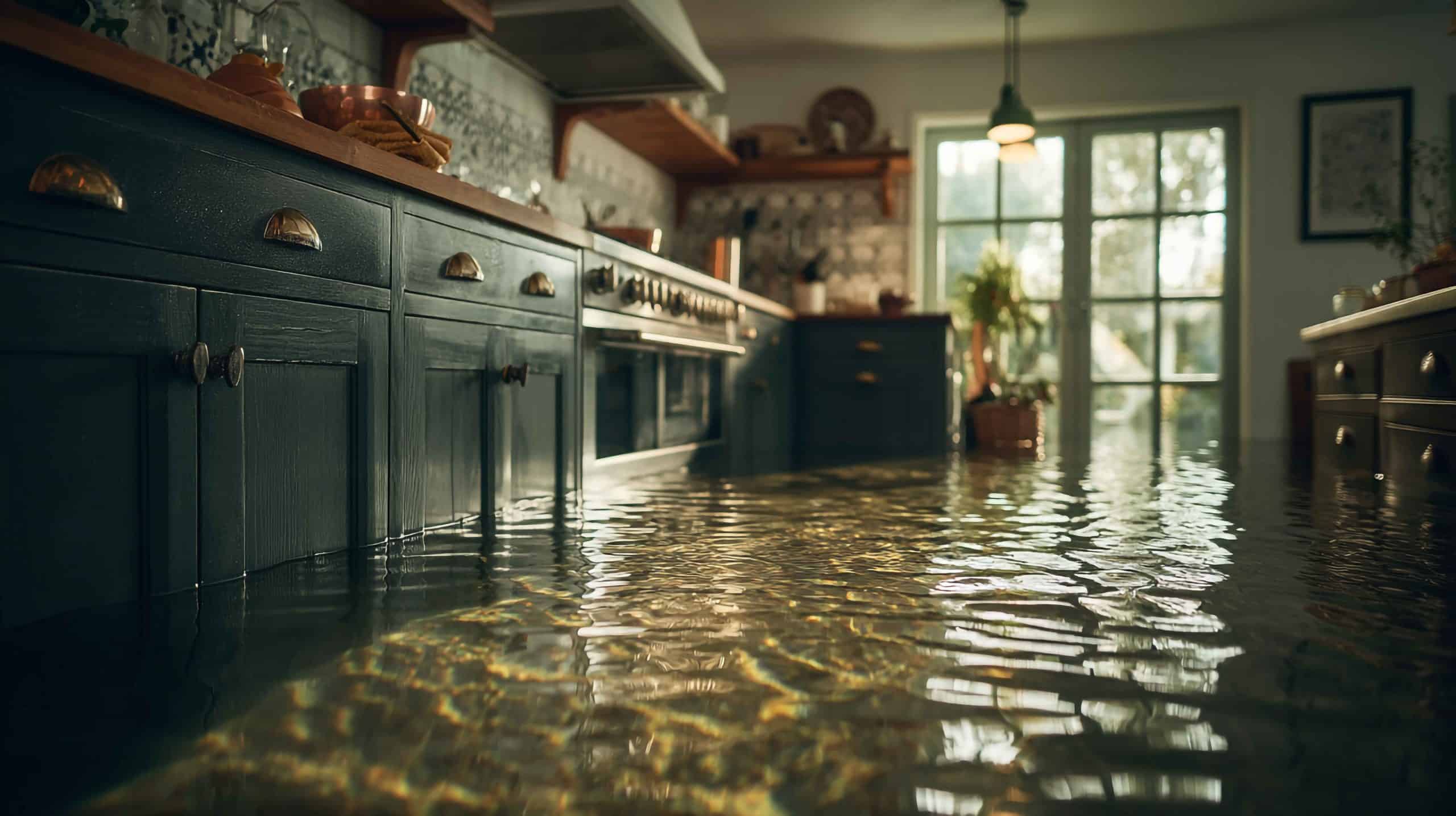
No one wants to come home to an overflowing toilet, a backed-up sewer line or a leaking ceiling. Water damage can cause homeowners as much money and anxiety as a fire, an earthquake or a hurricane. Learn the 4 water damage situations standard home insurance policies won’t cover in this article.
Most homeowners don’t know what types of water damage their home insurance covers. To avoid any unpleasant surprises, familiarize yourself with the coverage in your policy. Let’s look at how insurers classify water damage, including the four main types of water damage that your policy doesn’t cover.
Types of water damage covered
A standard home insurance policy covers named “perils” to your house, or all perils except those specifically excluded. These include destructive weather events such as wind, hail and ice, as well as fires, theft and vandalism.
Water damage can be tricky in a named-perils policy, since it must be caused by one of these perils to be covered. And certain types of water damage are excluded in an all-perils policy. So sometimes it’s covered, and sometimes it’s not. It depends on how the damage occurs.
For example, damage to your home that’s “sudden” and “accidental” is covered. So water damage from a burst pipe, wind-driven rain, a tree falling on your roof or vandalism is generally covered. However, water damage caused by neglect or gradual deterioration isn’t covered, and any mould that results from that neglect isn’t covered either.
If your roof leaks because of wear and tear on your shingles, the resulting water damage won’t be covered. However, water damage from wind or hail would probably be covered since those are sudden and accidental events.
Here are some other examples of water damage covered by most policies:
- Accidental discharge or overflow of water or steam. This includes the pipes in your house, the air conditioner, the water heater and any sprinkler systems. Discharge from a washing machine, dishwasher or refrigerator would be covered, too. However, your policy wouldn’t cover the cost of replacing the broken appliance.
- Snow and ice dams that form on your roof are typically covered by the “weight of ice, snow or sleet” peril in your policy.
- Damage from putting out a fire is covered, including when firefighters extinguish a fire or sprinklers are activated.
- Mould and mildew are covered, but only when they are an extension of covered water damage. For example, if a burst pipe caused mould to grow, your policy would pay for the remediation, up to its limits. Most policies don’t cover the full cost of serious mould infestations. Check with your agent about adding to your mould remediation limits.
- Malicious activity, such as deliberate damage to your pipes by a vandal, is also covered.
Keep in mind that different policy coverages come into play. Dwelling coverage pays for the cost of repairing the structure of your house. An example would be if a burst pipe damages your wall. Personal property coverage pays for damage to your personal belongings, like your computer, furniture or books.
Remember that your policy has limits and deductibles, so you’ll pay for some of the damage out of your own pocket, even if it’s covered. Your insurance broker can tell you what your limits and deductibles are and advise you on whether you need to raise or lower them. Understand that the higher the limits and the lower the deductibles, the more your insurance will cost.
Water damage that isn’t covered
Four types of water damage are almost always excluded from homeowners policies. Let’s look at these four main exclusions individually.
Floods
Home insurance doesn’t cover flooding. Any water that flows into your home from the ground isn’t covered. So rainwater, a surging river and saturated ground aren’t covered. You can purchase a separate flood insurance policy.
Groundwater seepage
Like flooding, homeowners insurance doesn’t cover groundwater seepage. Often, older homes with basements have problems with water seeping through concrete walls or from cracks in the foundation. There are several remediation techniques, depending on the severity of the problem. These range from simple waterproofing to installing a sump pump and French drains.
Sewer water
Home insurance doesn’t cover water that overflows from sewer pipes or drains and enters your house. However, you can purchase a water backup endorsement for a nominal price. Ask your broker about such coverage.
Poorly maintained plumbing
As noted previously, if you’ve neglected the plumbing or appliances in your house, water damage and mould stemming from their failure aren’t covered. For example, losses from a leaky toilet or a continuous drip in a faucet wouldn’t be covered.
Water damage is a serious threat to your home, and it can have a big impact on your finances. An insurance broker can explain what your policy does and doesn’t cover and how to add coverage.
You can reduce your potential for losses by scheduling regular maintenance on your house and taking care of repairs right away. Set aside some time in the spring and fall to inspect your home. Have a professional look at your plumbing, air conditioning and water heater to make sure everything is working properly.
As the saying goes, “An ounce of prevention is worth a pound of cure.” Take steps to keep water from damaging your property, and get the insurance you need so you can relax and enjoy your home in comfort.