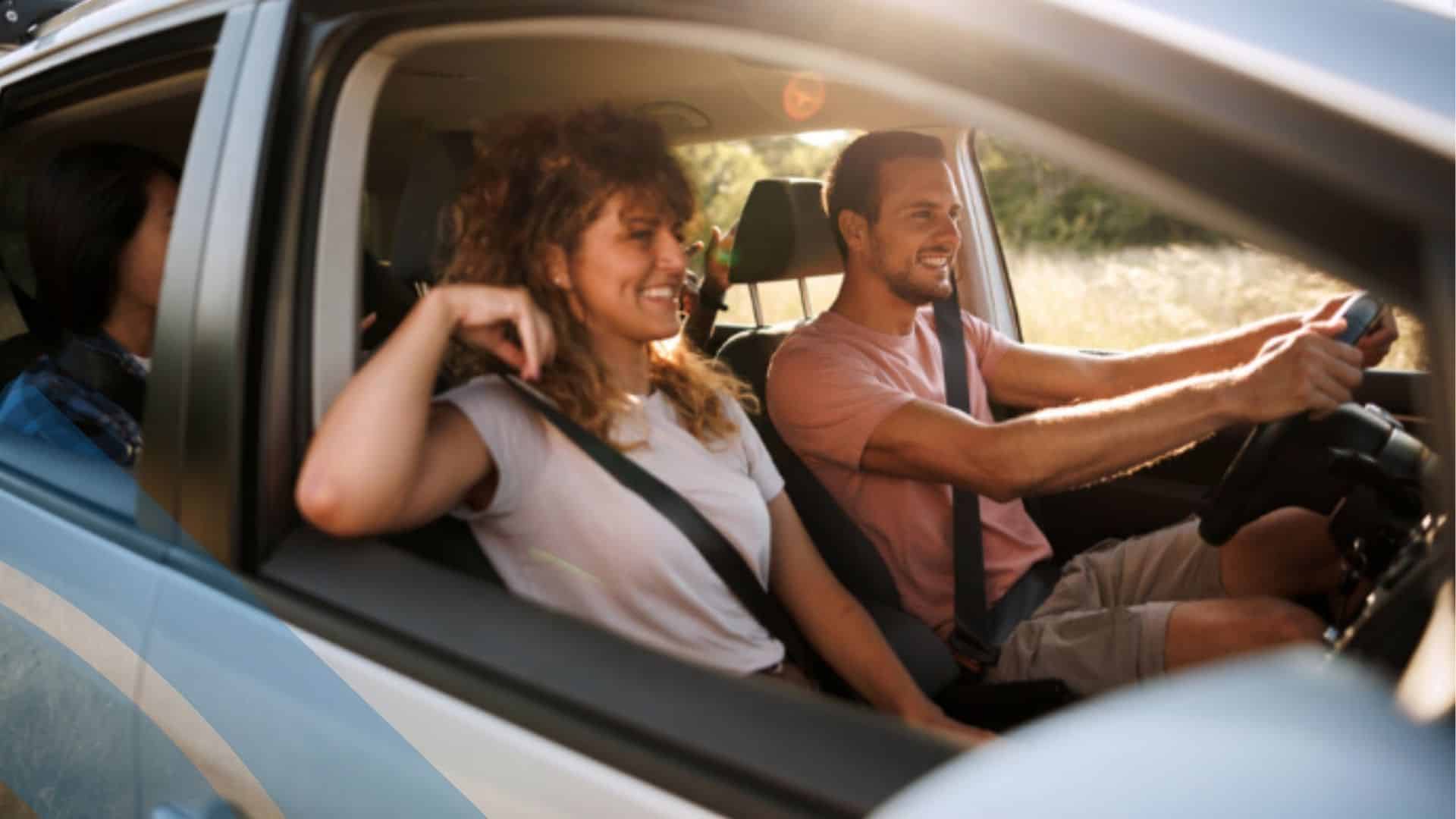
Driving during the summer, especially over a holiday weekend, increases your odds of being in an accident. That’s because of the high volume of cars on the road, roadwork, impaired drivers and erratic driving behavior.
Summer is also when teen drivers hit the roads in force, given the dramatic increase in fatal crashes involving teen drivers during that stretch.
Here are some tips to help you stay safe on the road this summer.
Fight fatigue
Fatigue can affect any driver. Summer driving often involves long distances, and everyone is anxious to get to their destination. Even so, it’s not worth the risk. According to the Canadian Association of Chiefs of Police, approximately 20% of fatal collisions in Canada are attributed to drowsy drivers.
Driving for extended periods can create the same responses as someone driving under the influence of drugs or alcohol. A clinical trial conducted in the United States by the National Safety Council found that being awake for 17-19 hours is comparable to having a blood alcohol content of .05%. Both result in decreased reaction time and hand-eye coordination. When participants went beyond 19 hours without sleep, their driving performance levels were equivalent to a blood alcohol content of .1%.
Signs of drowsy driving include:
- Heavy eyelids or blinking a lot
- Excessive yawning
- Drifting between lanes
- Missing road signs or exits due to daydreaming
- Restlessness, irritability and aggressiveness
Don’t drive while your body is naturally drowsy, between 12-6 a.m. and 2-4 p.m. When you feel fatigued, stop and rest. Take a 20-minute power nap or walk around for a few minutes to get your blood flowing. Use this time to check your vehicle’s tire pressure and fluid levels.
To stay alert during your trip, play music or listen to a podcast or audiobook. Some people choose music they don’t like because it prevents them from being lulled into a road trance. Others choose music that motivates them to sing, move and get their adrenaline pumping.
Another option is to lower the cabin temperature. You don’t want it so cold that you’re shivering, but keeping the AC cooler than normal can discourage sleepiness.
If you’re so sleepy that your eyes close or you nod off, find a safe place to pull over and rest.
Avoid distractions
On long car rides, it’s easy to become distracted or bored. You might be tempted to call or text a family member or shop online. Other drivers, road construction, changes in scenery and kids in the back seat can also be distracting.
To avoid becoming distracted, plan ahead. Pack games, snacks for the kids and anything else you need for a comfortable trip. If a child needs your attention, pull over. Also, avoid eating while driving and keep your phone out of reach and out of sight to discourage texting. Set your device to auto-respond to texts and use a hands-free solution if you must take voice calls.
Stay alert for impaired drivers
The longer the drive and the later in the day you are driving, the more likely you are to encounter an impaired driver.
If you notice another driver weaving or driving erratically, put as much distance as possible between their car and yours. If you have a passenger, ask them to record the license plate number and vehicle information. Then have them call 911 to report the suspected impaired driver.
Plan for storms
Summer can bring thunderstorms, heavy winds, flooding, hail and other dangerous driving conditions. Before you leave, check the weather forecast and prepare your vehicle. Examine your windshield wiper blades, battery, tire pressure and tire tread. And clean your car’s external camera.
If you find yourself in slippery conditions, the National Safety Council offers this advice:
- Avoid using cruise control.
- If you lose control, steer in the direction of the skid.
- Accelerate and decelerate slowly.
- Increase your following distance.
- Avoid stopping when going uphill.
If you find yourself in foggy conditions, you should consider these actions:
- Turn on fog lamps if your car has them.
- Slow down when entering a patch of fog.
- Adjust your speed so you can quickly stop within the distance you can see.
- Turn on the wipers and defrost to remove moisture from the windshield.
- Use low-beam headlamps, day or night. (High beams reflect off fog and make it harder to see.)
- Use the reflective painted road markings as a lane guide.
- Look out for slow-moving and parked vehicles.
- Don’t change lanes or pass other vehicles unless it’s necessary.
Fog can develop fast and change rapidly. Visibility may be lower near rivers, lakes and marshes. If you have to pull off the road, signal first. Pull off the road as far as you can safely go. Then turn on your hazard flashers so others can see you. When merging back into traffic, signal your direction. Give yourself and other drivers plenty of space and time to adjust to your vehicle reentering the road.
Summer brings lots of activities and fun, but also dangers. By preparing and practicing defensive driving, you can enjoy your trip and arrive at your destination safely.
This content is for informational purposes only and not for the purpose of providing, financial, medical or legal advice. You should contact your attorney, doctor, broker or advisor to obtain advice with respect to any particular issue or problem.
Copyright © 2026 Applied Systems Inc. All rights reserved.