

Does your home have carbon monoxide detectors?
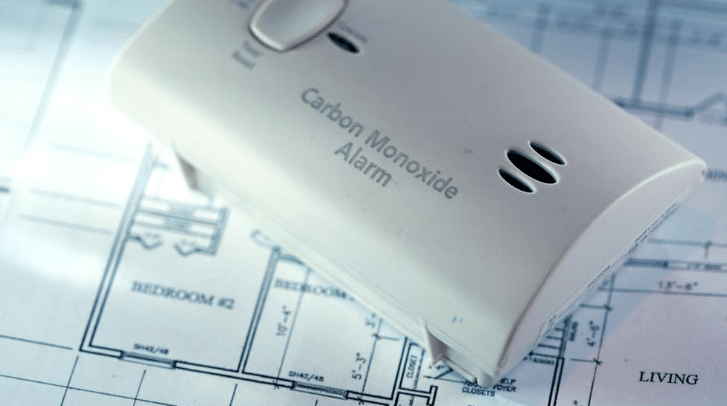
Installing carbon monoxide detectors is one of the most important things you can do to protect yourself, your family and anyone else in your home.
A detector is designed to warn you before carbon monoxide concentrations reach a dangerous level.
What is carbon monoxide? And why is it dangerous?
Carbon monoxide is a tasteless, colorless and odorless gas.
If carbon monoxide gas escapes into your home, it can easily poison the air before you know it’s there. Carbon monoxide poisoning can cause sudden illness or death. That’s why it’s known as the “invisible killer.”
According to the Ontario Association of Fire Chiefs, accidental carbon monoxide poisoning kills approximately 50 people each year in Canada and sends hundreds more to the hospital emergency department.
Sources of carbon monoxide include home appliances and devices that burn fuel, such as gas, oil or coal. Examples include:
- Clothes dryers, ranges and gas refrigerators
- Furnaces
- Portable generators
- Pressure washers
- Space heaters
- Water heaters
If these devices are not well-ventilated and operating properly, carbon monoxide can build up inside the home.
Symptoms of carbon monoxide poisoning
Be aware: Carbon monoxide poisoning can happen at different rates depending on the source and nature of the leak. Poisoning can occur slowly through the release of small amounts of carbon monoxide over a long period. Or it can happen quickly when a large amount enters a home or office space.
Carbon monoxide poisoning can create flu-like symptoms. These include:
- Dizziness
- Headaches
- Lightheadedness
- Nausea
- Shortness of breath
- Vomiting
High levels of carbon monoxide can also cause confusion, loss of consciousness or death.
Breathing in carbon monoxide during your sleep can kill you before you even notice any symptoms.
Protect against carbon monoxide by using detectors
For your safety, use carbon monoxide detectors to signal when there is a leak.
- Select a detector that is battery-operated or contains a battery backup.
- Carefully follow the manufacturer’s installation instructions.
- Place detectors on each level of your home and near bedrooms. (You want the alarm to wake you.)
- Change the batteries in your carbon monoxide detectors every six months. Don’t wait until they chirp. Test alarms monthly.
- Replace carbon monoxide detectors every five years or according to the manufacturer’s recommendations.
If a carbon monoxide detector sounds, leave your home or office immediately and dial 911.
Who needs carbon monoxide detectors?
What if your furnace and other appliances run on electric power, instead of gas, oil or coal? Experts say carbon monoxide detectors are still a good idea.
If you have an attached garage and someone accidentally leaves a car or lawnmower running, the carbon monoxide fumes can enter the home through walls or doorways.
Also, when using gas generators or other appliances outdoors, carbon monoxide can seep inside the house.
Other important precautions
To help prevent accidental carbon monoxide poisoning in your home, take these precautions too:
- Ask a trained service technician to check your furnace; water heater; and gas, oil or coal-burning appliances each year. Make sure they are vented and operating properly. (Read the product safety manuals to learn about carbon monoxide risk.)
- Don’t cook indoors with a barbecue grill or gas camping stove. Keep these items outdoors, away from windows.
- If you use a power generator, place it at least 20 feet away from your house. Keep pressure washers and gas-powered devices away from windows, doors and vents.
- Make sure all fireplaces, grills and stoves are properly vented. Have chimneys inspected annually. (Debris blocking a chimney can cause carbon monoxide to build up inside your house.)
- Make sure space heaters are properly vented.
- Never run a car or lawnmower inside your garage, even if you leave the door open.
- Never use a gas range or oven to heat a house, cabin or camper.
- When you buy gas-powered equipment, look for the seal of a national testing agency, such as Underwriters Laboratories.
With knowledge, you can prevent carbon monoxide poisoning in your home.