

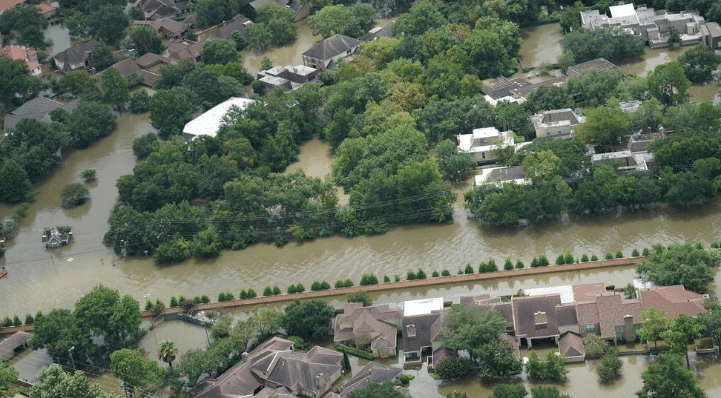
Flooding is one of the most common and costly natural disasters in Canada. It also isn’t typically covered by homeowners insurance.
Overland flooding coverage has only been available to Canadians since 2015. According to the catastrophe insurance data firm CatIQ, 55% of Canadian homes have flood insurance. That leaves nearly half the country without coverage.
To protect your primary or vacation home, you need flood insurance. It can cover structures, windows, fuel tanks and contents, such as personal possessions, small appliances and artwork, depending on your policy.
Flood insurance is usually required for homeowners taking out mortgages for properties in high-risk flood zones. But homeowners in lower-risk areas may want to get it, too, because flooding can happen anywhere in the country.
Flood insurance policies
Insurance companies provide homeowners and tenants with overland (freshwater) flooding coverage. You can also get flood insurance for seasonal and secondary homes. Coverage can be expensive or hard to obtain in high-risk areas, but you can mitigate your costs by choosing a higher deductible.
Flood insurance generally excludes saltwater floods, tsunamis, dam breaks, intentional acts and some high-risk areas. Flood coverage is sometimes bundled with sewer backup insurance.
Advantages of flood insurance
Consider the following reasons to get flood insurance for your property:
- You can set your coverage limit to the value of your property to avoid any coverage gaps.
- If you have furs, jewellery, fine art or collectibles that could be damaged by floodwaters, you can insure them separately for the appropriate amount. Ask us for details.
- Flood insurance can be cheap in low-risk areas.
- Flood insurance can offer multiple deductible options.
- Flood insurance can pay for living expenses if your home becomes uninhabitable. The extent of coverage is typical of regular home insurance policies.
In this fast-changing environment, now is the time to talk to us about the latest options available to protect your home from floods. Don’t wait until floodwaters rise to understand your flood coverage options.