

A standard homeowners policy won’t cover a dwelling that is vacant or unoccupied for an extended period. It’s normally specified in your policy details. If you leave your home unattended for 60 days (30 days in certain policies) and something happens, your claim may be denied.
That’s why you need to look into vacant home insurance if you’re planning to travel for an extended period or are in the process of selling or renting your house.
The difference between vacant and unoccupied
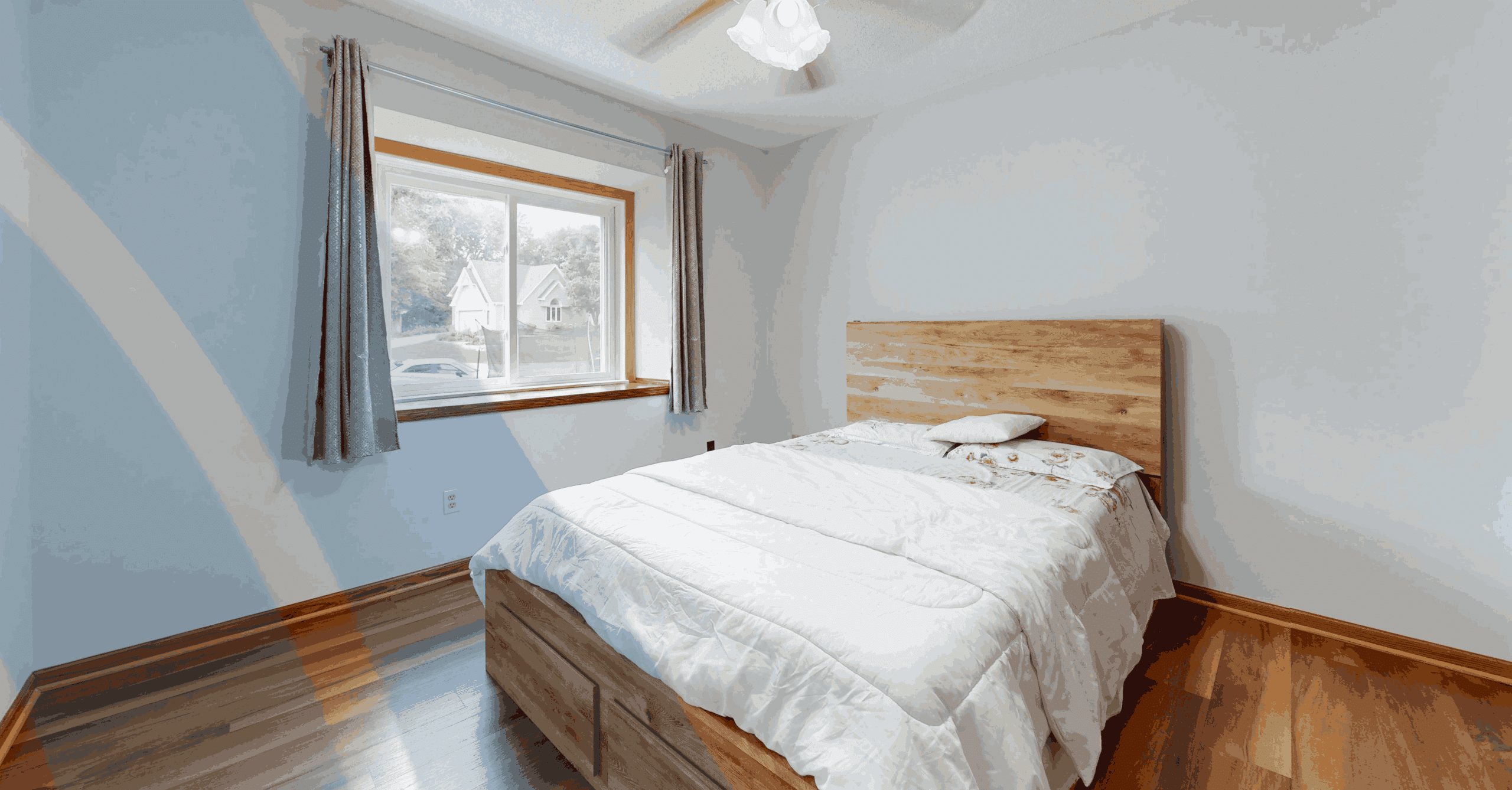
There is a big difference between a vacant home and an unoccupied one. A home is considered vacant when it is empty, while an unoccupied home is one that is just missing its occupants. The distinction is an important one if you are temporarily away from your home because it means you are (or should be) covered by your policy.
For the distinction of unoccupied to hold, none of the major pieces of furniture or appliances should be missing; it must be a livable space. We can help you add an endorsement to your policy just to be safe.
Construction versus renovations
Strangely enough, policies do not consider homes under construction to be vacant. You don’t need a special endorsement or policy to ensure coverage while your home is being built; a standard homeowners policy will do.
However, major renovations are different because rooms are emptied and the inhabitants are away. As discussed earlier, this constitutes a vacancy.
Who needs vacant home insurance?
Talk to us about vacant home insurance if:
- You’re buying, selling or renting your dwelling.
- You plan to be away from your home for more than 30 days.
- You’re moving out temporarily for major renovations.
- You own a vacation home.
You can cover a vacant home on your existing policy by adding an endorsement or purchasing a stand-alone policy. Since the risk of a fire or break-in is greater than in a regular home, you can expect to pay more for this policy.
What is covered under vacant home insurance
Most vacant home policies cover:
- Named perils, like fires, lightning, wind, hail and explosions
- Glass breakage, vandalism and malicious mischief
- Liability
Theft of personal property on the premises may not be covered, and water damage is often excluded.
There are different levels of coverage, so be specific about your needs before settling on a policy. Contact us to get more information about this coverage or to review your current coverage.