

According to Health Canada, heart disease is the second-leading cause of death. A heart attack strikes someone every 43 seconds, and more than half a million Canadians have a history of heart attacks.
But if you know the signs and act fast, you may be able to prevent yourself or someone else from becoming a statistic.
What is a heart attack?
A heart attack occurs when the blood flow bringing oxygen to your heart is severely reduced or cut off. This is often caused by a blockage of your arteries, which is the result of a buildup of fat, cholesterol and other substances.
The buildup forms a plaque in your arteries that can break away and form a clot. According to the Mayo Clinic, this interrupts the blood flow to your heart and can damage or destroy part of the heart muscle.
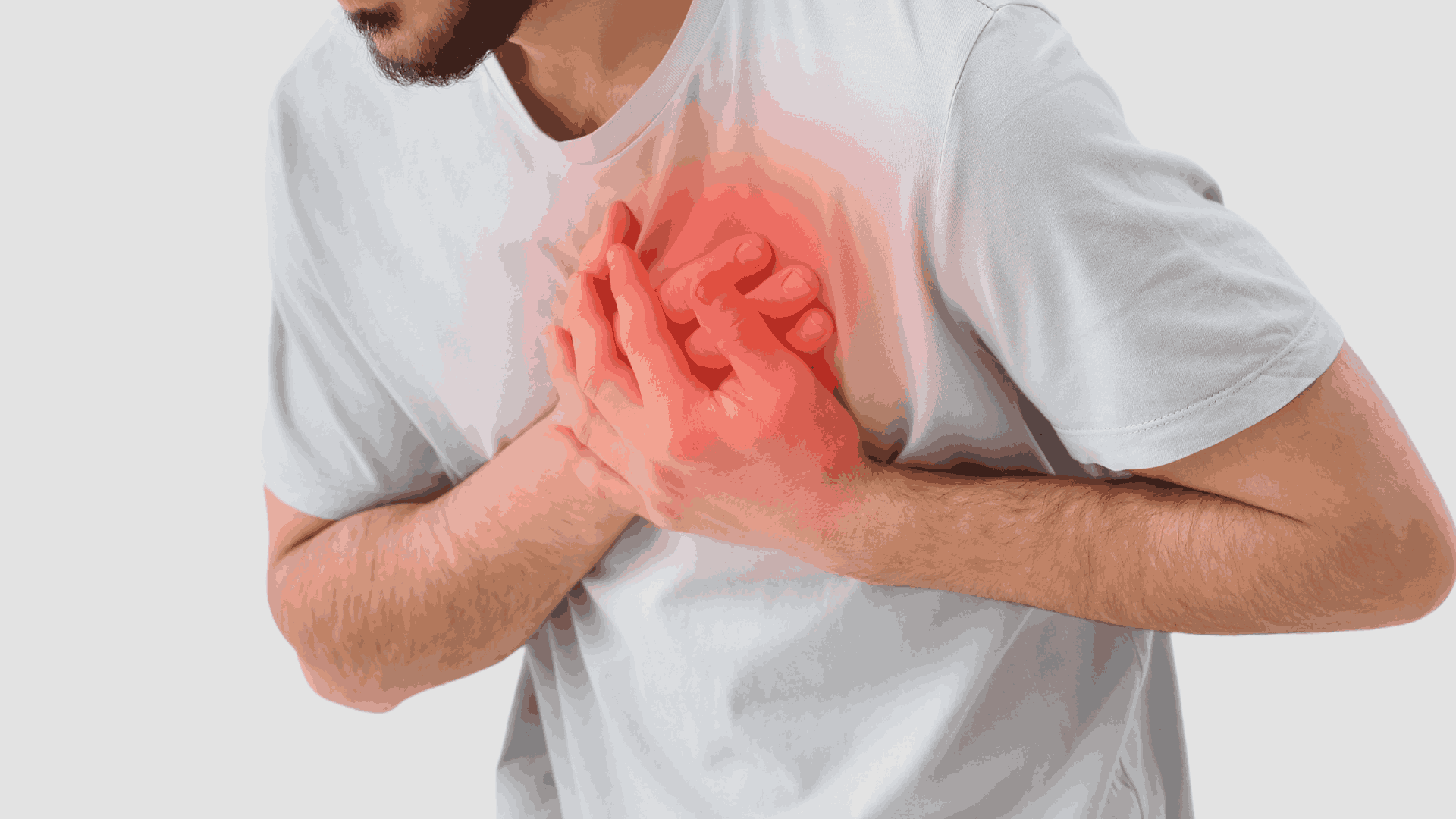
Heart attacks can be sudden and powerful. Many people say it feels like an elephant is sitting on your chest. They can also start slowly and intensify, while others are almost pain-free.
Watch for warning signs and symptoms
If you experience any signs of a heart attack, dial 911 immediately. These signs include:
- Pressure, discomfort or pain in the center of your chest (may come and go)
- Cold sweat, nausea, indigestion, lightheadedness or fainting
- Discomfort or pain in your upper body (jaw, neck, arms, back or stomach)
- Shortness of breath (even if you don’t have pain in your chest)
Even if you are not sure you are having a heart attack, it is best to act quickly and get to a hospital right away. Some people think their symptoms are a false alarm and do not want to be embarrassed for overreacting. This is not the time to worry about appearances. Dial 911. It could save your life.
Heart attack symptoms in women
Heart disease is the leading cause of death in women. However, women can experience heart attack symptoms much differently than men. Some women ignore the signs, thinking they have acid reflux or even the flu.
It is important to know the signs and get help immediately. Look for:
- Shortness of breath
- Breaking out in a cold sweat, nausea or lightheadedness
- Pressure, squeezing, fullness or pain in the center of your chest that lasts more than a few minutes, or goes away and comes back
- Pain or discomfort in one or both arms, the back, neck, jaw or stomach
Women are more likely to experience vomiting, shortness of breath, extreme fatigue and back pain when having a heart attack. Some describe the pain as if they are being squeezed tightly and cannot catch their breath.
If you have any questions about symptoms you or someone you know are having, dial 911 and get to a hospital right away.
Preventing a heart attack
You can prevent heart disease.
- Talk to your doctor first to learn if you are at risk. Continue to receive regular, preventive care.
- If you smoke, stop. This lowers your risk by 50%. Also, be sure to avoid secondhand smoke.
- Exercise regularly. Walking 30 minutes a day can lower your risk. Aim for 150 minutes of physical activity a week.
- Make changes to your diet. Look for healthy snack options. Increase the number of fruits and vegetables you eat. Choose lean, light meat instead of fattier, dark meats.
Know your risk factors
Knowing whether you are at risk for a heart attack is the first step to preventing one. Common risk factors include:
- Age (men age 45 or older and women age 55 or older)
- Smoking and exposure to secondhand smoke
- High blood pressure
- Obesity
- Diabetes
- Stress
- Lack of physical activity
- Illicit drug use
- Family history
It is always a good idea to schedule annual physicals with your primary care physician so you can discuss any concerns you may have about being at risk for a heart attack. Your provider can run the necessary tests and advise you on how to prevent heart disease.
Recovering from a heart attack
If you have a heart attack, it is normal to have concerns about what you can and cannot do during recovery. Talk to someone about your feelings, and be sure to include your family. They are probably worried about you, too.
Keep in mind that no two people recovering from a heart attack are the same. While most people are able to return to work between two weeks and three months after having a heart attack, others find it easier to switch jobs. However, the ways to prevent a second heart attack are similar for everyone.
- Take your medication — Make sure to take all your medication as directed. Missing a dose or failing to get a prescription refilled can lead to more problems.
- See your doctor — Follow up with your doctor within six weeks of a heart attack. They will work with you to establish how often you will need to return for checkups.
- Go to cardiac rehab — Improving your physical fitness and adopting a healthy way of life is key to your recovery. It can also improve your mental health and address any stress you may be feeling.
- Manage your risks — If you smoke, now is the time to quit. If you consume too much alcohol, limit your drinking to one or two drinks per day. In general, you need to make every effort to live a healthy lifestyle.
And, as always, ask for help when you need it. Making changes to your lifestyle can be hard on your own. Ask friends and family for support.
If you need more information, visit the Heart and Stroke Foundation. There, you will discover what makes you vulnerable to heart disease, find tips on how to prevent a heart attack and learn more about the symptoms of heart attacks.