

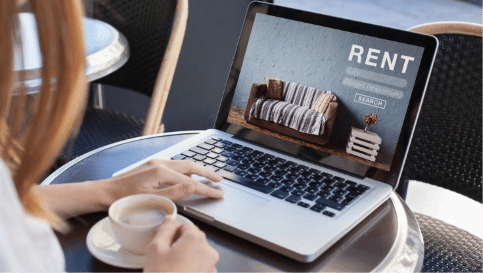
Many homeowners are now renting their homes on platforms like Airbnb and Vrbo, a trend that has grown into a multibillion-dollar industry.
If you’re thinking of renting yours, it’s wise to learn about insurance for short-term rentals.
Legal considerations
A good first step is to review the terms of your homeowners association or condo bylaws, or your local laws. You should also check if your municipality has an ordinance regarding short-term rentals.
You’ll want to consider city-specific regulations, too. Understanding the laws and regulations in your city or province will help you avoid potentially hefty fines and even eviction if short-term rentals are illegal in your area. Online marketplaces like Airbnb and Vrbo offer information to help homeowners understand the many considerations and practice due diligence.
Homeowners, renters and landlord insurance
Weigh the benefits versus the risks before opening up your home to visitors. For example, what if your guest destroys your property or your neighbour’s landscaping? What about damage to the common space in your condo building? Who pays for injuries on your property? Are you liable?
While an online platform like Airbnb may provide a measure of protection, you may still be in for a costly surprise. For example, Airbnb offers up to $1 million in protection for damages to covered property. But the program doesn’t cover cash, securities, collectibles, rare artwork, jewellery, pets or personal liability. Nor does it cover losses or property damage due to wear and tear. It is not a replacement for your homeowners or renters insurance.
You may think your homeowners or renters insurance will cover any damages, but think again. Many policies do not cover property damage caused by paying guests or the costs of any injuries they suffer. Ask us to review your homeowners policy to see what it will and won’t cover.
Know that homeowners policies often exclude home-based businesses. Since it’s hard to say when occasional rentals cross over into official business, be aware that this could invalidate your coverage.
You may also want to purchase a landlord policy that helps protect you and your belongings.
Finally, only rent to guests who can prove they have homeowners, renters or personal liability insurance. Guests may be covered under their own policies.
Prepare for guests
Before your guests arrive, inform them that they are obligated to pay for any damages or losses. Have it in writing and reiterate it when possible.
Renting your home can be a lucrative opportunity, but it also entails additional, complex risks that should be thoughtfully considered. If you’re not well-prepared with the proper insurance and precautions, it could cost you. Speak with us before opening your home to short-term renters.